What is herbal medicine — and what does a herbalist actually do?
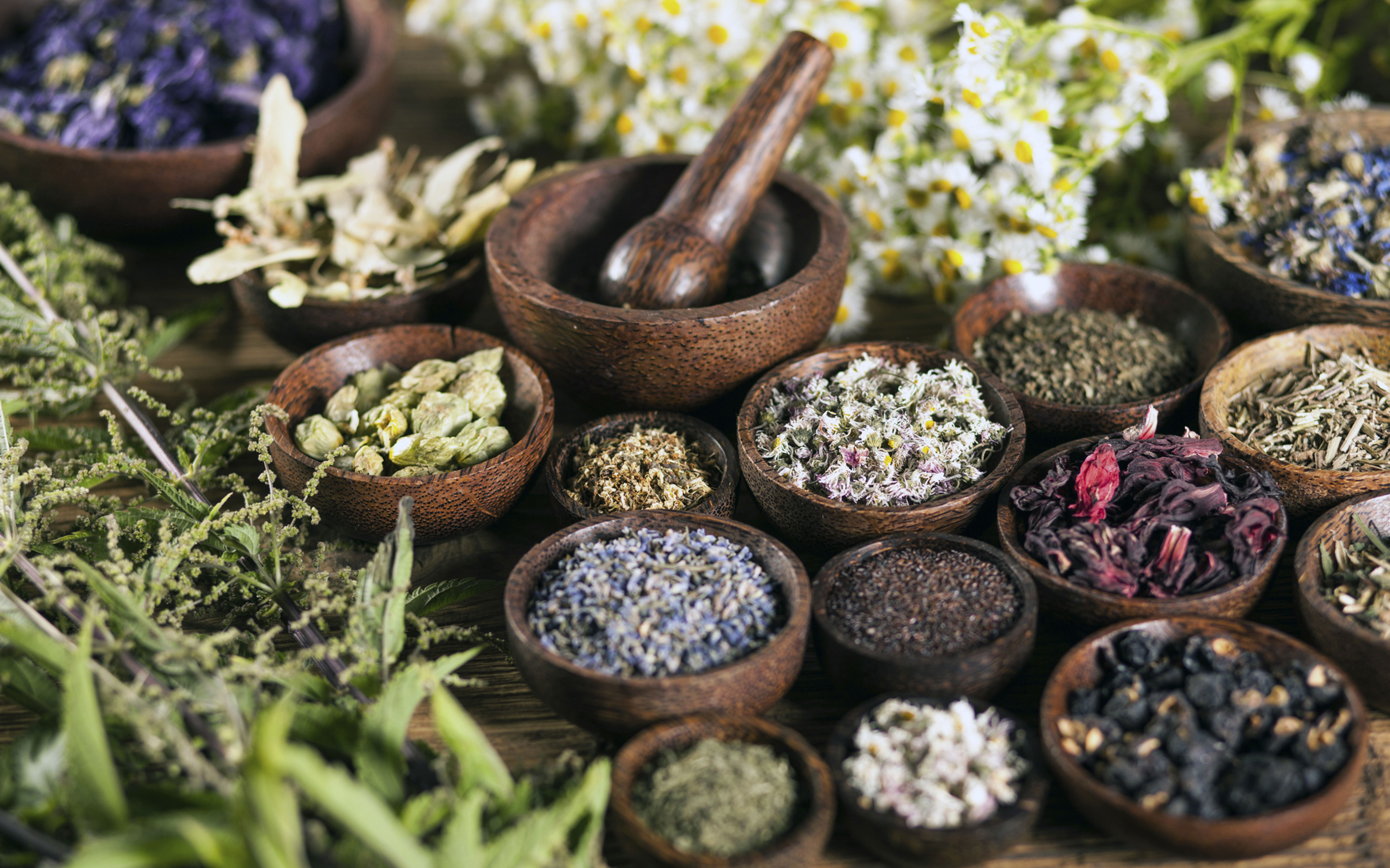
Herbal medicine might be one of the oldest forms of healthcare, but it's often misunderstood. It isn't about buying a supplement off a shelf and hoping — it's a considered, clinical discipline. Here's the short version.
The idea behind it
Herbal medicine — sometimes called medical herbalism, clinical herbalism, or phytotherapy — uses plants and plant extracts to support health and wellbeing. Think tinctures, powders, oils and teas, drawn from a tradition that stretches back thousands of years and across every culture on earth.
What's changed is our understanding of why so many of these plants have earned their place. Modern research into the active compounds within medicinal herbs continues to build on what generations of practitioners observed long ago — a discipline rooted in tradition, but far from stuck in the past.
What a herbalist does
A medical herbalist is trained to look at the whole person, not a single symptom in isolation. That means a proper, unhurried consultation: your history, your lifestyle, your constitution, and the way your body's systems work together, all taken into account.
From there, a herbalist prepares a prescription built around you — matched to your particular picture rather than pulled from a one-size-fits-all list. It also means working safely and thoughtfully: a trained herbalist considers any medicines you already take, understands the biochemistry of herb-drug interactions and how everything fits together.
It's care that works with your body, gently and gradually, rather than overriding it.
Curious?
You don't need to know exactly what you need to begin — the first step is simply a conversation. If herbal medicine speaks to you, or you'd just like to know whether it might suit you, I'd love to hear from you.
Email me at sarah@longmeadowapothecary.ie


Comments